

Houseplants bring color and life to an apartment, especially in winter, when the view outside turns gray and days are short. Keeping them healthy through a Memphis winter takes a few adjustments, and if you have pets, choosing the right plants matters. If you live at Oakridge Apartments at 3463 Wingood Cir in Memphis 38118, this guide covers winter light, watering, heat and drafts, pet-safe choices backed by the ASPCA, holiday plants, and pests.
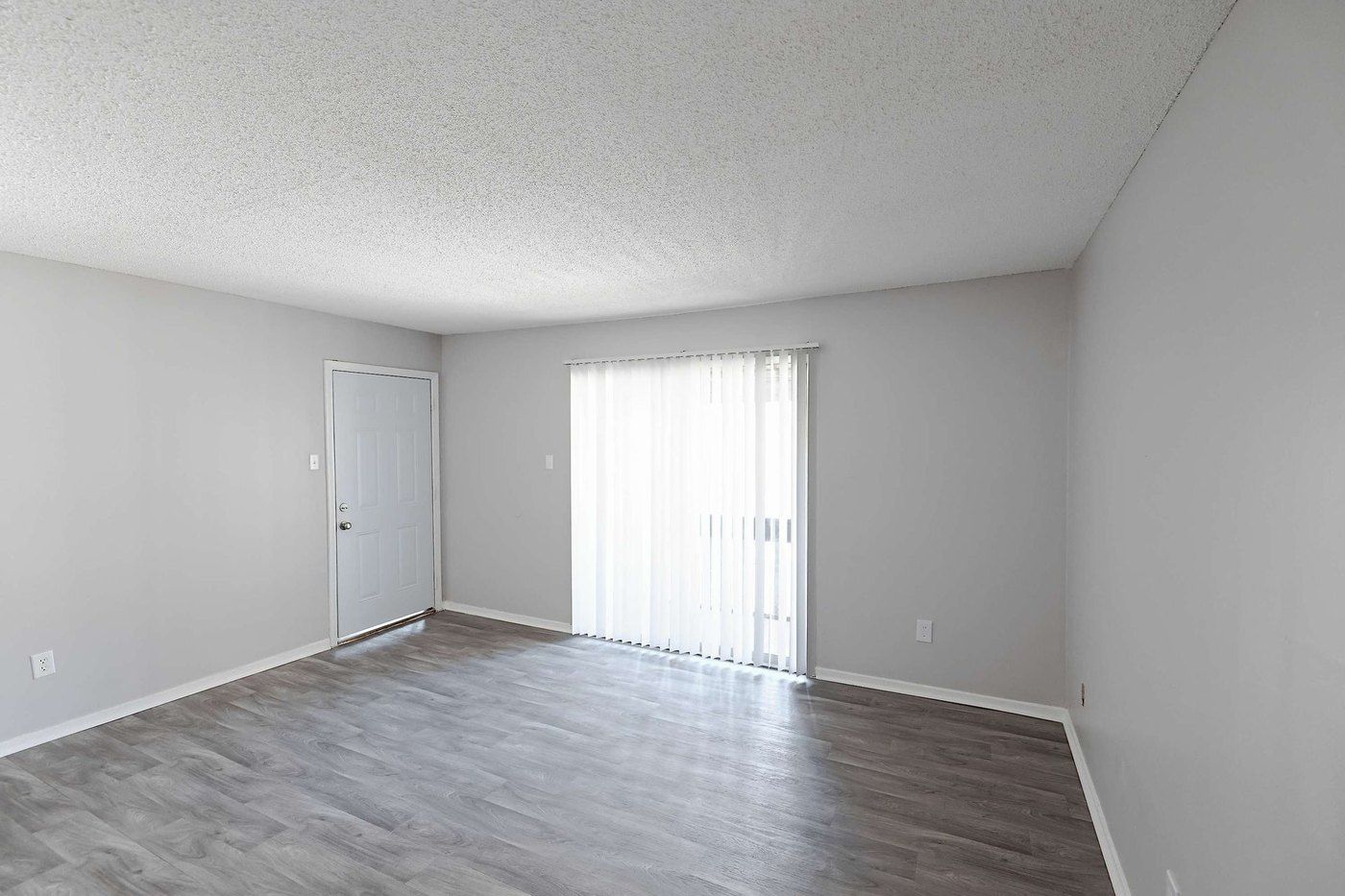
Understand winter light
Light is the biggest change for plants in winter. In Memphis, the sun sets before 5 p.m. for all of December, and the winter solstice on Dec. 21 brings less than 10 hours of daylight. The sun also sits lower in the sky, so light comes in at a different angle.
Make the most of your windows
- Move plants closer to windows for the winter, but not touching cold glass.
- Know your exposure. South- and west-facing windows usually get the most winter light. North-facing windows get the least.
- Open blinds during the day and clean windows for extra brightness.
- Rotate pots a quarter turn every week or two so plants grow evenly instead of leaning toward the light.
- Add a grow light if you have a dark apartment or love sun-hungry plants. Small LED grow lights on a timer work well on a shelf or desk.
Water less, but don't forget
Most houseplants grow slowly in winter and need less water than in summer. Overwatering is one of the most common ways people lose plants in cold months.
- Check the soil with your finger before watering. For many common plants, water when the top inch or two feels dry.
- Use pots with drainage holes and empty saucers after watering, so roots do not sit in water.
- Use room-temperature water.
- Succulents and cacti need very little water in winter.
Protect your floors and furniture by using saucers or trays under every pot. Water stains on windowsills or carpet can become a move-out issue.
Heat, drafts, and dry air
Indoor heating dries the air, and plants placed in the wrong spot can suffer.
- Keep plants away from heating vents and space heaters, which can scorch leaves and dry soil quickly.
- Avoid cold drafts from patio or balcony doors and leaky windows.
- Group plants together to create a slightly more humid pocket of air.
- Use a pebble tray, a shallow tray of pebbles and water with the pot sitting above the waterline.
Balance matters in Memphis apartments. Too much moisture can encourage mold, so avoid soaking the air or letting water pool. Our guide to controlling humidity and mold explains how to find the right level.
Bring patio plants inside before a freeze
If you keep tropical plants or herbs on your patio or balcony, bring them inside before freezing nights. Check them for pests first, and give them a few days in a bright spot to adjust. Our guide to balcony and patio ideas covers outdoor plant setups for warmer months.
Pet-safe plant choices
If you share your apartment with a cat or dog, check every plant before you bring it home. The ASPCA keeps a searchable list of toxic and non-toxic plants. Some popular houseplants are on the toxic list:
- Pothos (devil's ivy): the ASPCA lists it as toxic to cats and dogs; chewing can cause mouth irritation, drooling, and vomiting.
- Snake plant: toxic to cats and dogs, per the ASPCA, and can cause nausea, vomiting, and diarrhea.
- True lilies (Lilium species): the ASPCA lists them as toxic to cats. Keep them out of homes with cats entirely.
Plants the ASPCA lists as non-toxic to cats and dogs include:
- Spider plant: easy, forgiving, and great in hanging baskets.
- Boston fern: likes bright, indirect light and some humidity.
- Christmas cactus: a holiday bloomer that is a good pet-friendly alternative to more toxic seasonal plants.
If you think your pet ate a toxic plant, call your veterinarian or the ASPCA Animal Poison Control Center at (888) 426-4435. Our guides to pet-friendly living at Oakridge and winter pet care have more tips.
Holiday plants
Poinsettias, Christmas cactus, and amaryllis are popular gifts this time of year. A few notes:
- Poinsettias: the ASPCA lists them as toxic to cats and dogs, though their irritating sap generally causes mild mouth and stomach upset. Keep them out of pets' reach.
- Christmas cactus: non-toxic to cats and dogs per the ASPCA; give it bright, indirect light and water when the top of the soil is dry.
- Care tips: remove decorative foil wrappers or poke holes so water drains, and keep holiday plants away from drafts and heat sources.
Watch for pests
Indoor plants can attract fungus gnats, spider mites, and mealybugs, especially in dry winter air or overwatered soil. Inspect new plants before bringing them home, and check leaves, stems, and soil regularly. Letting the soil surface dry between waterings helps discourage fungus gnats. Isolate a plant that shows signs of pests until it is treated. Our pest prevention guide covers keeping your apartment pest-free.
Easy plants for beginners
If you are new to houseplants, start with forgiving varieties that tolerate a range of light and occasional missed waterings. A spider plant is a classic first plant, and it is pet-friendly too. Herbs like basil and parsley can grow on a sunny kitchen windowsill, though they may struggle in low winter light without a grow light.
Where to put plants in an apartment
- Living room: near the brightest window, on a plant stand to raise them toward the light.
- Kitchen: herbs on the windowsill, away from the stove's heat.
- Bathroom: ferns may enjoy the humidity if there is a window.
- Bedroom: a low-light plant on a dresser adds calm.
- Home office: a desk plant under a small grow light. See working from home in a Memphis apartment.
Shop local in spring
When the weather warms, garden centers and farmers markets around Memphis stock herbs, flowers, and starter plants. Our farmers markets guide lists markets near 38118, and museums and gardens near Oakridge covers public gardens for plant inspiration.
Frequently asked questions
How often should I water houseplants in winter?
Less often than in summer. Check the soil with your finger and, for many common plants, water when the top inch or two is dry. Use pots with drainage holes and empty saucers after watering.
Which houseplants are safe for cats and dogs?
The ASPCA lists spider plant, Boston fern, and Christmas cactus as non-toxic to cats and dogs. Check the ASPCA's plant list before bringing any new plant home.
Are poinsettias poisonous to pets?
The ASPCA lists poinsettias as toxic to cats and dogs. Their sap generally causes mild mouth and stomach irritation, so keep them out of pets' reach.
Are pothos and snake plants safe for pets?
No. The ASPCA lists both pothos and snake plant as toxic to cats and dogs. True lilies are toxic to cats.
Where should I put plants in my apartment in winter?
Near the brightest window but not touching cold glass, away from heating vents and drafty doors. Rotate pots regularly, and add a grow light if your space is dark.
Have questions? Call (901) 697-7127, Monday through Friday, 9:00 AM to 6:00 PM, or schedule a tour at 3463 Wingood Cir, Memphis, TN 38118. You can also visit the pet-friendly apartments page, the 1-bedroom apartments page, or browse the Oakridge Journal.