

Anyone who has spent a July afternoon in Memphis knows how humid the Mid-South can be. Indoors, that moisture can lead to foggy mirrors, musty closets, and, if it is ignored, mildew or mold. The good news is that a few simple habits keep humidity under control in most apartments. This guide from Oakridge Apartments, 3463 Wingood Cir, Memphis, TN 38118, explains the target humidity range, how to ventilate everyday moisture, and when to call maintenance.
The target: 30 to 50 percent
The U.S. Environmental Protection Agency (EPA) recommends keeping indoor relative humidity below 60 percent, ideally between 30 and 50 percent, to help prevent mold growth. An inexpensive digital hygrometer, or humidity meter, lets you see where your apartment stands. Place it in a main living area, and check readings in different seasons and after showers or cooking.
Where indoor moisture comes from
Even in a dry week, everyday life adds water to the air:
- Hot showers and baths
- Cooking, especially boiling water
- Drying clothes indoors
- Houseplants and aquariums
- Leaks and drips
- Humid outdoor air entering through open doors and windows
Air conditioning is your ally
Air conditioners do more than cool. As warm, humid air passes over the cold coil, moisture condenses out, so your AC also dehumidifies. The EPA lists air conditioning among the ways to reduce moisture. A few tips:
- Keep the system running at a steady setting during muggy months rather than shutting it off completely while you are away.
- Keep vents and returns clear of furniture.
- Ask maintenance how the air filter is handled; a clean filter helps the system work efficiently.
- Report it if your apartment feels clammy even with the AC running.
Our saving energy in a Memphis apartment post explains how to balance comfort and energy use.
Ventilate the bathroom
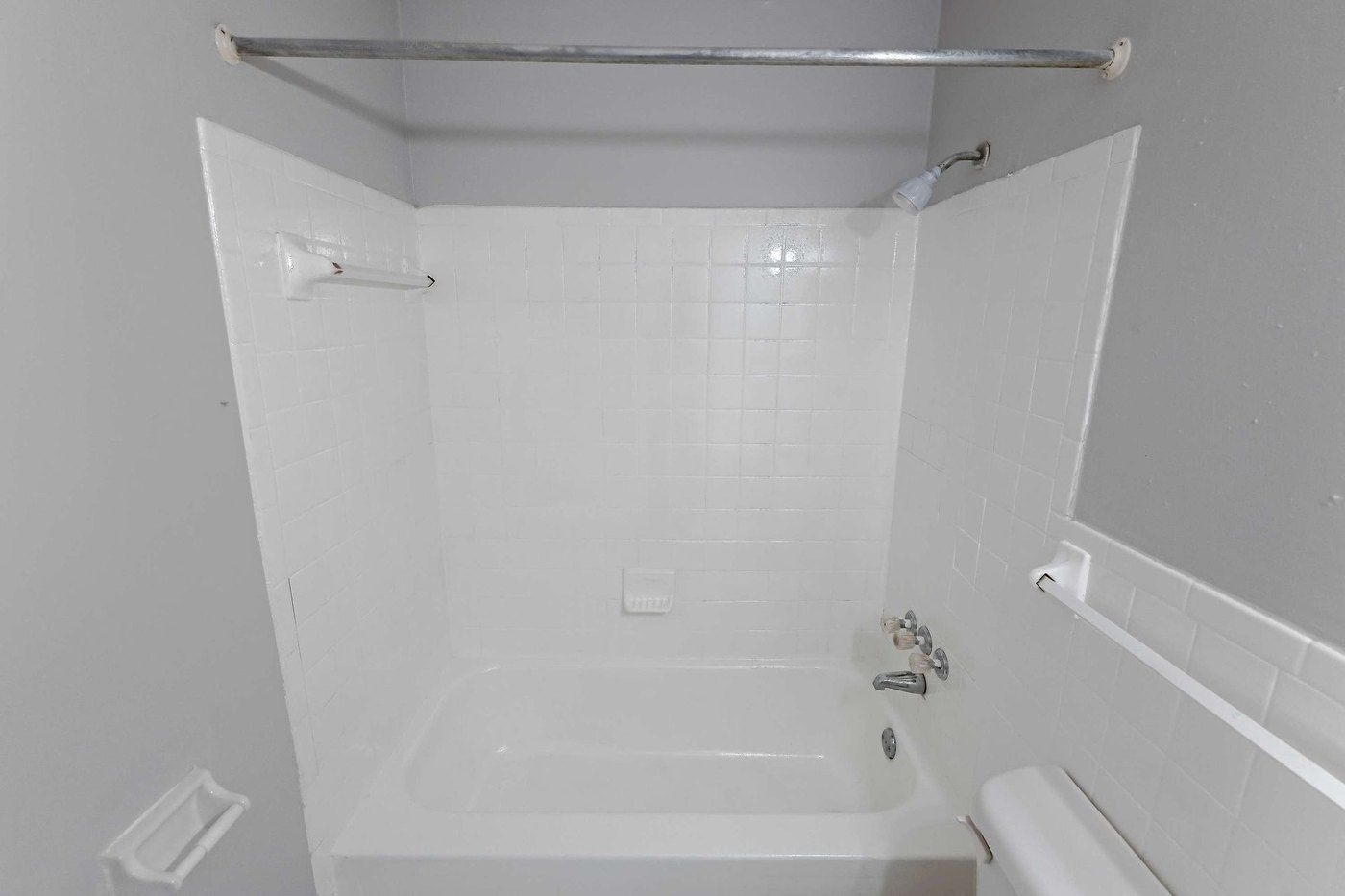
Bathrooms are the most common trouble spot. After a shower:
- Run the exhaust fan, if your bathroom has one, during and for a while after the shower.
- Leave the door open once you are done to let moisture escape.
- Squeegee or wipe down shower walls and doors.
- Spread out towels and bath mats so they dry fully, and wash them often.
- Leave the shower curtain spread out, not bunched, so it can dry.
Kitchen and laundry
- Use the range hood, if you have one, and lids on pots.
- Wipe condensation from windows on cold mornings.
- If you use a dryer, make sure it is vented as intended. Our washer and dryer connections post covers setup questions to ask.
- Avoid drying lots of laundry on racks indoors during humid weather.
Closets and storage
Closets have little airflow, so moisture can linger:
- Leave a little space between clothes and between items and walls.
- Never put away damp clothing, shoes, or gym bags.
- Use breathable storage and moisture absorbers in tight spaces.
- Open closet doors occasionally to air them out.
Our small-space storage ideas post has more closet tips.
Should you buy a dehumidifier?
If your hygrometer regularly reads above 50 percent despite good habits, a portable dehumidifier can help, and the EPA lists dehumidifiers among moisture-control tools. Pick one sized for the room, empty or drain the bucket as directed, and clean the filter. Check with the office if you plan to use a continuous drain.
Winter is different
In winter, heating can make indoor air drier. If your hygrometer drops well below 30 percent and you feel uncomfortably dry, a small humidifier can help, but don't overdo it; aim to stay within the EPA's recommended range. Cold weather also brings its own to-do list; see preventing frozen pipes in a Memphis apartment.
Spotting mildew and mold
Signs to watch for include a musty smell, black or green spots on caulk, grout, or walls, peeling paint, or water stains on ceilings. Small spots of surface mildew on hard bathroom surfaces can often be cleaned with a household bathroom cleaner. Anything larger, anything that keeps coming back, or any sign of a leak should be reported.
When to call maintenance
The EPA's core message is that the key to mold control is moisture control: fix the water problem, then clean up. Report these right away:
- Leaks under sinks, around toilets, or from ceilings
- Water stains that grow or reappear
- Condensation dripping from AC vents or the unit
- Mold that returns after cleaning or covers more than a small area
Submit a request through the resident portal or call the office. Our guide to reporting a maintenance request effectively explains what details to include. Note any concerns during your move-in inspection, too.
Moisture and pests
Damp spaces attract insects as well as mold. Controlling humidity is one of the best apartment pest prevention tips, and so is fixing leaks fast.
A quick daily moisture routine
- Glance at your hygrometer in the morning.
- Ventilate the bathroom during and after every shower.
- Use lids and the range hood while cooking.
- Hang towels to dry, and wash them often.
- Check under the kitchen and bathroom sinks once a week for drips.
Five minutes a day keeps most moisture problems from starting. If you notice the same damp spot or musty smell coming back week after week, that pattern is worth reporting to maintenance, even if it looks minor, because a recurring problem usually has a source that needs to be found.
Living at Oakridge
Oakridge offers one-, two-, and three-bedroom apartments in a gated community with a picnic area, playground, tennis court, on-site laundry, and on-site maintenance and management. Every home has a private patio or balcony, ample storage, and washer and dryer connections.
Frequently asked questions
What indoor humidity level should my apartment have?
The EPA recommends keeping indoor relative humidity below 60 percent, ideally between 30 and 50 percent, to help prevent mold.
Does air conditioning reduce humidity?
Yes. Air conditioning removes moisture as it cools, and the EPA lists it, along with ventilation and dehumidifiers, as a way to reduce indoor moisture.
How can I prevent mold in my apartment bathroom?
Ventilate during and after showers, wipe down wet surfaces, let towels and curtains dry fully, and report leaks promptly.
Who should I contact about mold or a leak at Oakridge?
Report it to on-site maintenance through the resident portal or by calling (901) 697-7127.
Have questions? Call (901) 697-7127, Monday through Friday, 9:00 AM to 6:00 PM, or schedule a tour at 3463 Wingood Cir, Memphis, TN 38118. You can also see the Memphis 38118 apartments page, the Parkway Village apartments page, or browse the Oakridge Journal.