Memphis winters are usually mild, but when a hard freeze arrives, pipes can freeze and burst. A burst pipe can flood your apartment, damage your belongings, and affect neighbors below or next door. The good news is that a few simple habits help prevent most problems. This guide from Oakridge Apartments, 3463 Wingood Cir, Memphis, TN 38118, explains how pipes freeze, what renters can do before and during a cold snap, and when to call maintenance.
Why pipes freeze
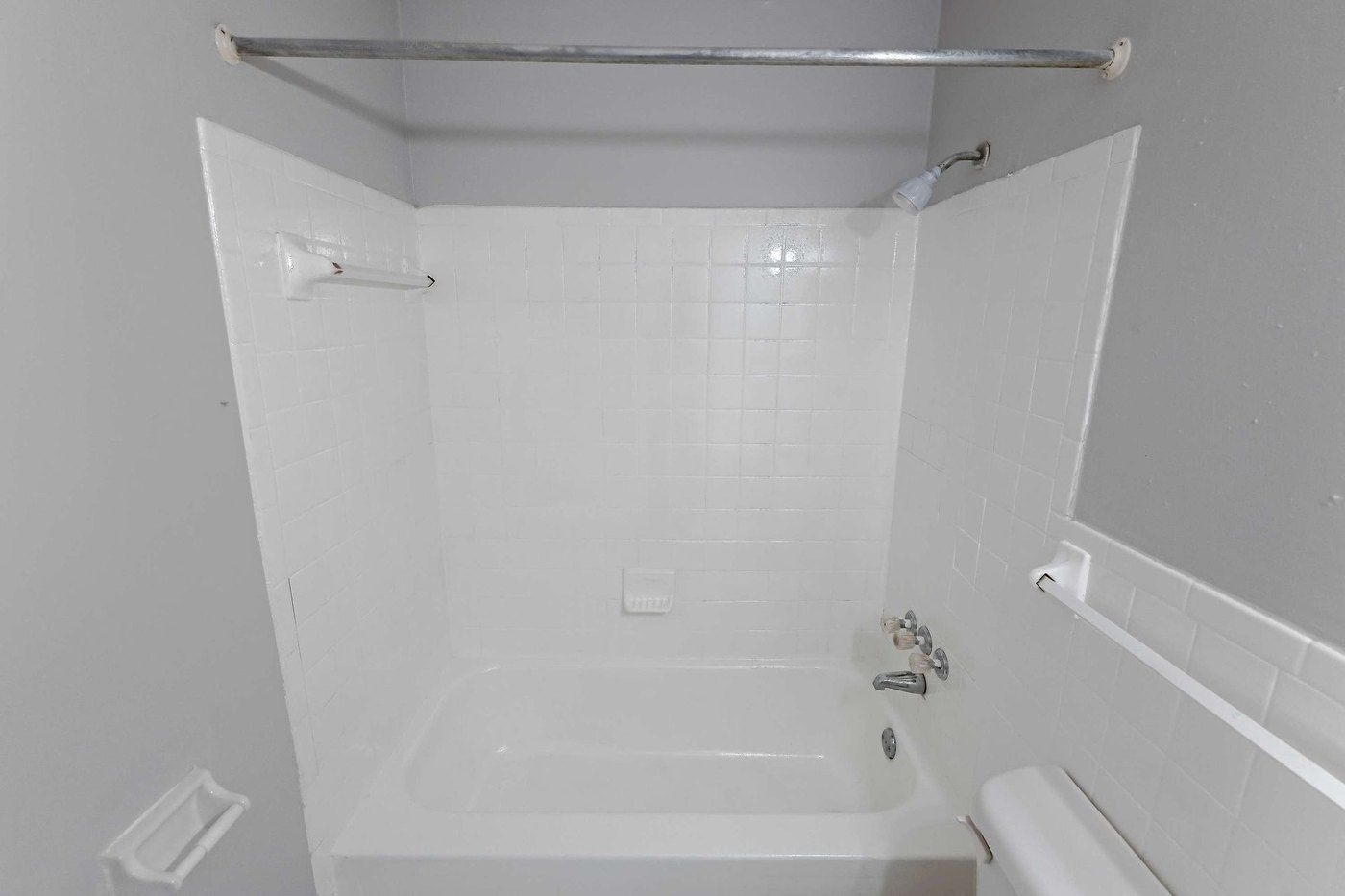
The American Red Cross explains that water expands as it freezes, putting tremendous pressure on whatever contains it, including metal or plastic pipes. No matter how strong a pipe is, expanding ice can break it. The Red Cross says the pipes that freeze most often are those exposed to severe cold, water supply pipes in unheated areas, including spaces such as kitchen cabinets, and pipes that run along exterior walls with little or no insulation.
In an apartment, that often means the pipes under a kitchen or bathroom sink on an outside wall.
Before a cold snap
- Watch the forecast. When temperatures are expected to drop well below freezing, especially overnight, plan ahead. Our guide to severe weather preparedness covers how to get reliable alerts.
- Know where your water shut-off is. Ask maintenance during a calm moment, not during a leak.
- Report drafts and problems early. If you notice a cold draft near plumbing, a heating issue, or a slow drip, submit a maintenance request through the resident portal before the weather turns.
- Disconnect outdoor items. If you keep anything that holds water on your patio or balcony, bring it in.
During freezing weather
The Red Cross recommends these steps:
- Let faucets drip. When it is very cold, let cold water drip from faucets served by exposed pipes. Running water through the pipe, even at a trickle, helps prevent freezing.
- Open cabinet doors. Open kitchen and bathroom cabinet doors so warmer air can circulate around the plumbing. Move cleaners and household chemicals out of reach of children and pets first.
- Keep the thermostat steady. Keep the thermostat at the same temperature day and night. The Red Cross notes this may raise your heating bill a bit, but it can prevent a much more costly problem.
- Keep the heat on when you travel. If you will be away during cold weather, leave the heat on, set no lower than 55°F.
Check your lease and any notices from the office during a freeze, since communities sometimes send specific instructions to residents.
Balancing warmth and energy bills
Keeping the heat steady during a cold snap is worth it, but you can still save energy in other ways. Seal drafts around doors with a draft stopper, keep blinds and curtains closed at night, and wear warm layers at home. Our post on saving energy in a Memphis apartment has more ideas. Our guide to starting utilities in 38118 explains how service works with MLGW.
If you think a pipe is frozen
If you turn on a faucet and only a trickle comes out, the Red Cross says to suspect a frozen pipe. In an apartment, your first step should be to contact maintenance, because thawing and repairs are their job and they know the building's plumbing. While you wait:
- Keep the faucet open so water can flow once the ice begins to melt.
- Check other faucets in your home. If one pipe froze, others may have too.
- Never use an open flame, such as a torch, kerosene or propane heater, or charcoal stove, to thaw a pipe. The Red Cross specifically warns against these.
If a pipe bursts
- Call the leasing office or maintenance immediately and explain that water is leaking.
- If you have been shown how and it is safe, turn off the water supply.
- Keep away from water near electrical outlets or cords.
- Move belongings out of the water's path and take photos for your records.
- Contact your renters insurance company to ask about coverage for damaged belongings.
Our post on renters insurance basics explains why coverage matters for situations like this.
Moving in winter?
If you are moving during the colder months, ask about the heating system and plumbing during your walkthrough and test the faucets on move-in day. Our tips on moving to Memphis in winter cover the rest of the process.
A quick cold-snap checklist
When a hard freeze is in the forecast, run through this list before bed: faucets on exposed walls set to a slow drip, kitchen and bathroom cabinet doors open, thermostat at a steady temperature, chemicals moved out of reach, and your phone charged in case you need to call maintenance. In the morning, check each faucet for normal water pressure.
A team on site
At Oakridge, maintenance and management are on the property, and residents can submit maintenance requests through the online resident portal at any time. The leasing office is open Monday through Friday, 9:00 AM to 6:00 PM. Learning a few winter habits now means you will be ready when the next cold snap rolls into Memphis.
Frequently asked questions
Should I let my faucets drip in a Memphis apartment during a freeze?
The American Red Cross recommends letting cold water drip from faucets served by exposed pipes when it is very cold. Running water, even at a trickle, helps prevent freezing.
What temperature should I leave the heat on when I travel in winter?
The Red Cross recommends leaving the heat on and set no lower than 55°F if you will be away during cold weather.
What should I do if a pipe freezes in my apartment?
Contact maintenance first, keep the faucet open, and check other faucets. Never use an open flame to thaw a pipe.
How do I report a plumbing problem at Oakridge?
Submit a maintenance request through the resident portal or call the leasing office at (901) 697-7127. Maintenance is on the property.
Have questions? Call (901) 697-7127, Monday through Friday, 9:00 AM to 6:00 PM, or schedule a tour at 3463 Wingood Cir, Memphis, TN 38118. You can also see the Memphis 38118 apartments page, the Parkway Village apartments page, or the Oakridge Journal.